

Ambitious plans to grow the economy, build a modern, 21st century public transport network and strengthen the local workforce are central to the Liverpool City Region Combined Authority budget for 2026-27.
The budget marks an historic step forward for devolution in the Liverpool City Region as from 1 April 2026 the Combined Authority will receive an Integrated Settlement from government, reflecting the organisation’s maturity and strong track record since Mayor Steve Rotheram took office in 2017.
The Integrated Settlement will provide around £417m revenue funding over three years and £1.1bn capital funding over four years. While the settlement does not represent additional funding, it offers increased flexibility, longer-term certainty and local control for Mayor Rotheram and his cabinet over investment decisions.
Recognising the extreme pressures that its constituent local authorities are facing, the budget includes £1.6m for each of the six councils to pursue regeneration and growth priorities.
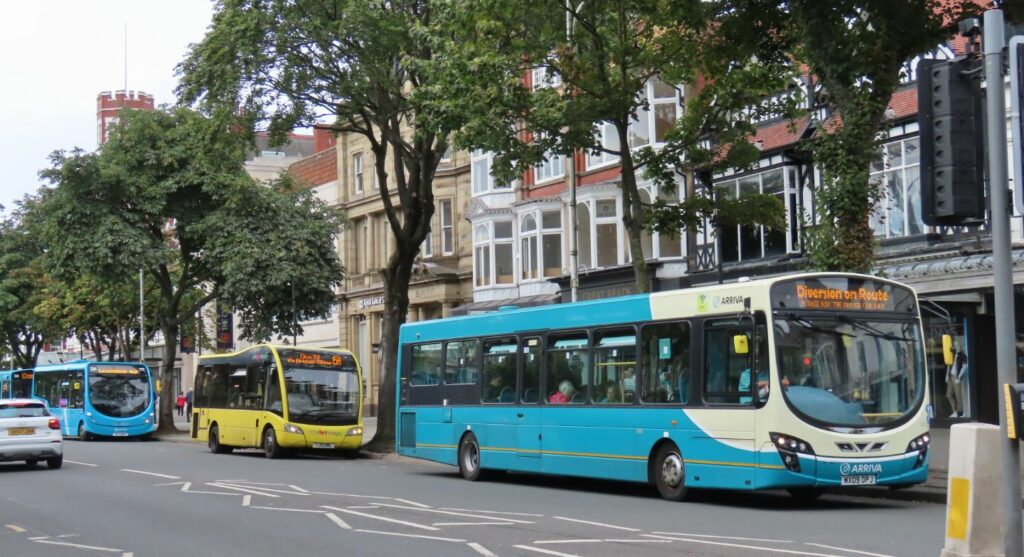
The budget includes an extension to the £2 bus fare cap, which has remained frozen since 2022 in a bid to keep travel as affordable as possible, and funding for Mayor Rotheram and the Combined Authority to take back control of the City Region’s bus network – an historic move which will give greater control over fares, routes, timetables and fleets.
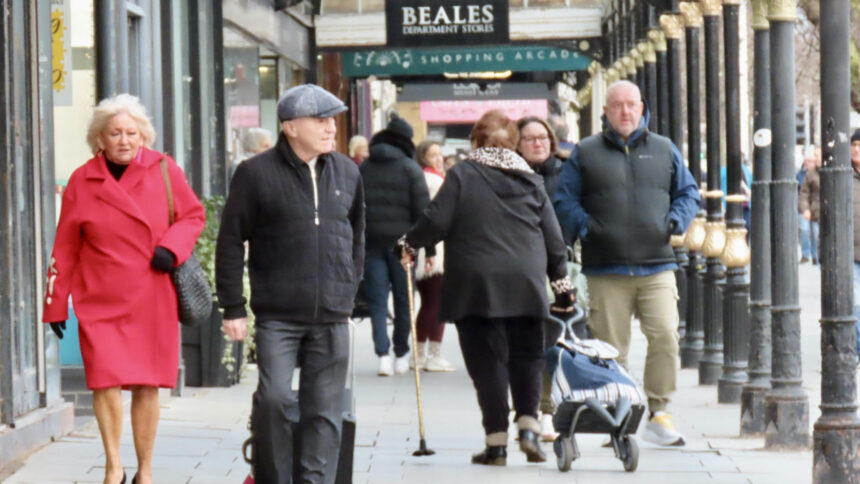
The budget also earmarks £52m to fund the City Region’s concessionary travel scheme which offers travel passes to residents at the age of 60 – a full seven years ahead of the national scheme.
Ensuring the region’s residents and businesses have the right skills to prosper continues to be a priority, with more than £60m to fund training for tens of thousands of City Region adults. Funding from government will continue for the Freeport and Innovation Zone programmes, which are designed to increase inward investment and support business growth and jobs in key industries.
With digital connectivity vital for innovation, quality of life and economic growth, the budget supports Mayor Rotheram’s AI for Good ambitions with £1m allocated to keep the area at the forefront of the AI revolution. The move follows the success of the City Region’s second international AI Summit in October, the appointment of the UK’s first regional Chief AI Officer, and work to establish an AI Task Force.
The budget also includes continued funding for the City Region’s pioneering Race Equality Hub that is targeting employment inequalities and removing barriers in the labour market for people from Black, Asian, and Minority Ethnic backgrounds through a focus on training, employment support and business assistance.
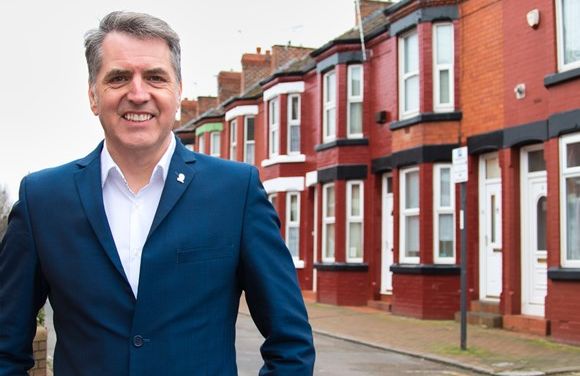
Liverpool City Region Mayor Steve Rotheram said:
“This budget is firmly focused on moving our region forward – expanding opportunity, raising aspirations and improving everyday life for the 1.6 million people who call this place home.
“It also marks a major milestone for devolution in the Liverpool City Region as we move to an Integrated Settlement – a clear vote of confidence from national government in our ability to deliver for local people.
“By committing more than £60 million to adult skills and training, we are helping tens of thousands of people access secure, well-paid work and long-term prospects. At the same time, we are working to keep travel affordable by extending the £2 bus fare cap and taking the final steps towards bringing our bus network back under public control for the first time in 40 years.
“This is what devolution is designed to deliver: decisions taken locally, shaped by local priorities, and creating real benefits on the ground. My ambition for the year ahead is clear: to make the Liverpool City Region the best region in the country.”
The City Region’s ambitious target to be net zero by 2035 is backed by further funding to develop the world’s largest tidal power scheme on the River Mersey that would provide clean, predictable energy for hundreds of thousands of homes for 120 years while providing protection against sea-level rise to property and habitats.
Schemes to make thousands of homes more energy efficient will also be funded and the Mayor’s Community Environment Fund, which has helped more than 100 grassroots green projects, will be supported for a fifth year running.
More than £668,000 has been earmarked for cultural projects in a budget designed to help make the Liverpool City Region the best place to grow up, grow a family and grow a business – where no-one is left behind.
The budget is set against a challenging economic backdrop and balances the need to support households, businesses and local authorities while addressing the Combined Authority’s own financial pressures. All efforts have been made to reduce costs while maximising benefits to the City Region.
In a revenue budget of nearly £350m, the Mayoral Precept, which helps fund Mayoral priorities that will be of significant and long-term benefit to the City Region, will be frozen at £16-a-year for Band A properties.
The Transport Levy, paid by local authorities to support public transport, will rise by 3% – well below the 3.8% September 2025 inflation figure. The increase reflects higher inflationary pressures within transport – particularly energy costs and pay – but has been kept to a minimum in recognition of the immense financial pressures facing local authorities. The levy is significantly lower than 10 years ago.
A second part to the budget covering capital spending on buildings and infrastructure, including major investment projects such as the new Liverpool Baltic station, smart ticketing and the new Mersey Ferry, will be considered at the Combined Authority’s meeting on March 6.
Do you have a story for Stand Up For Southport? Do you need advertising, PR or media support? Please message Andrew Brown or email: mediaandrewbrown@gmail.com