


Why Southport’s Aviary Is a Vital Public Resource Under Threat
Guest Blog by Sandra-Lynne Jones – a Southport resident and regular visitor to the Botanic Gardens Aviary for over 50 years
I was devastated to learn that Sefton Council intends to close the Botanic Gardens Aviary by 2027. It would be a crying shame to lose one of Southport’s most treasured community resources. I write as someone who has visited the Aviary for more than fifty years, ever since I was little.
To many people, the Aviary is not simply an attraction within the Botanic Gardens – it is the reason they visit. My parents would say, “Let’s go visit the birds,” knowing that those words would fill me with excitement. I suspect countless local families have similar memories. Today, parents and grandparents still bring children to experience that same delight—a tradition that spans generations.
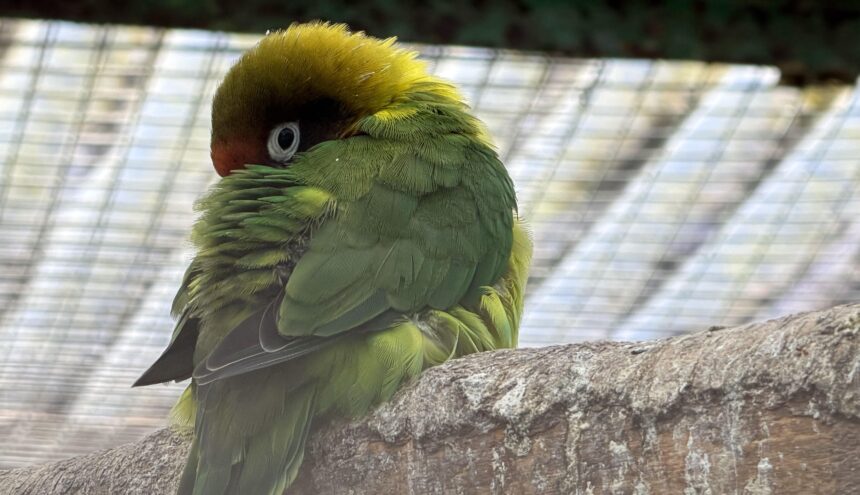
The Aviary is an invaluable learning resource. It introduces children to wildlife in a way that television and screens cannot. Watching the birds up close, observing their personalities, learning their names and hearing about their care inspires curiosity in the natural world. Many of the birds flock to the wire mesh to greet visitors, some of whom they recognise, pressing close enough for gentle strokes through the mesh.
Caressing the warmth of their colourful, soft feathers and watching them lean in with evident curiosity is often a child’s first experience of a bird as a living being rather than simply seen in a storybook or flying well out of reach overhead. Seeing the delicate way their claws curl around the mesh, the tilt of an inquisitive head, the sudden rustle of wings as they flap around the Aviary and the exotic chorus of birdsong that spills out across the Botanic Gardens all combine to create a rich sensory experience that nothing else can truly replicate.
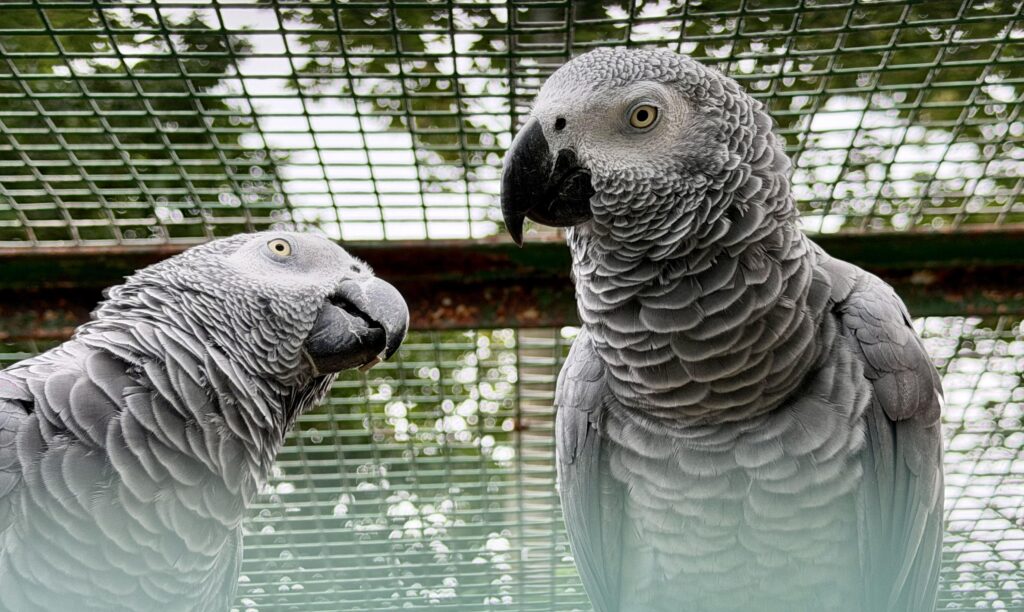
The birds’ voices have become part of the soundscape of the Gardens and of our memories. As a child, visits to both the Botanic Gardens Aviary and the former Aviary at Hesketh Park nurtured in me not only a love of birds, but a lifelong interest in animals, conservation and the environment. They cultivated a lifelong sense of wonder. In an age when so much of childhood is mediated through screens, the Aviary offers something increasingly precious: a direct encounter with the living world. That is an immeasurable legacy.
The Aviary’s value extends far beyond education. It is a place of genuine human connection. In an age when so many people feel alienated, it is one of the few places in town where complete strangers naturally talk to one another. People gather around the enclosures, laugh together over Charlie the Parrot’s antics and introduce him and the other birds to children. Visitors discover that the birds recognise familiar phrases, imitate an astonishing range of everyday sounds, respond when people move from side to side and display distinct personalities of their own. They are as interested in us as we are in them. Loved by generations of children and adults alike, they are local feathered celebrities.
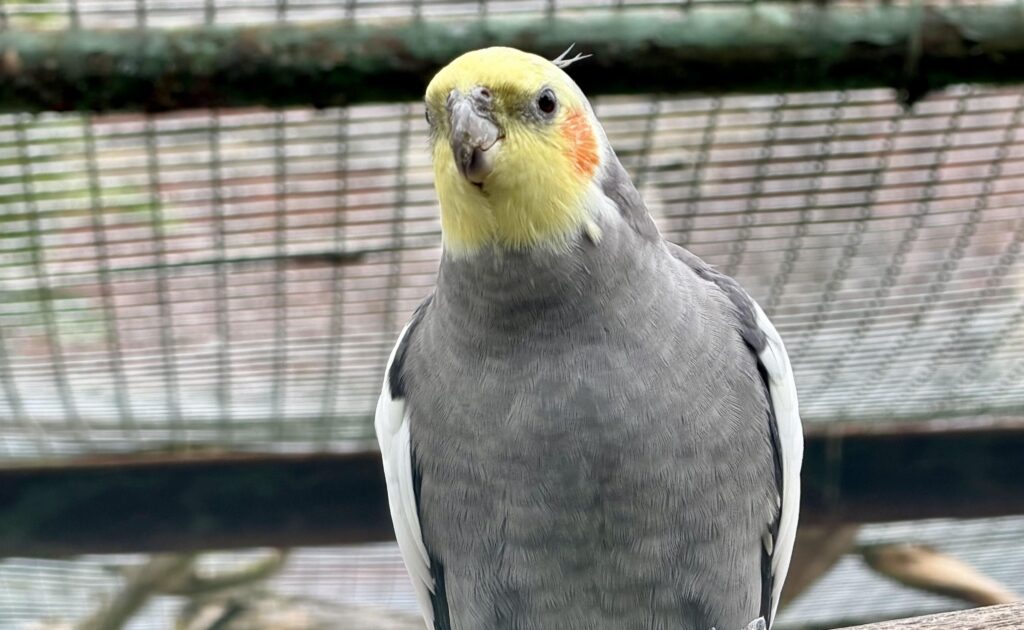
This is something I have seen within my own family. My mother is 86 years old. She has been mourning the loss of my father for the past five years. She absolutely loves visiting the Aviary. She knows many of the birds by name, talks to them and delights in seeing them respond. These visits bring her genuine happiness, stimulate her memory and always leave her smiling. She is devastated by the prospect of the Aviary closing, and so am I.
A great deal of that experience is thanks to Connor, the bird keeper. He is an extraordinary ambassador for both the Aviary and Southport itself. His devotion to the birds is obvious to anyone who watches him. The birds clearly trust him, happily perching on his shoulders, landing on his head, climbing up his legs, swinging from him and playfully teasing him as only intelligent, confident birds can.
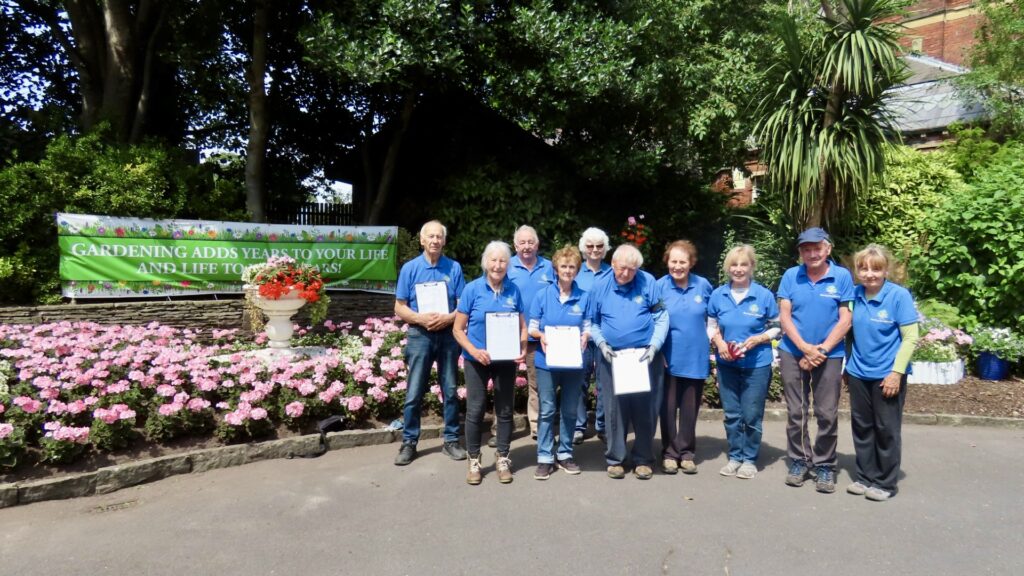
Watching them together is as entertaining as it is heartwarming. Just as importantly, he welcomes every visitor with warmth and enthusiasm, patiently answering questions and sharing his knowledge with children and adults alike. It is genuinely uplifting to watch a young man so passionate about caring for animals and inspiring others to appreciate them. Seeing the joy on his face is matched only by the joy he brings to everyone who visits. It restores one’s faith in humanity. He doesn’t deserve this closure either.
The Aviary also makes an important contribution to the mental wellbeing of the town. I wonder whether, in the long term, it may even save the Council money by providing a free, accessible place that lifts people’s spirits, encourages gentle exercise and combats loneliness. Some people come primarily to see the birds, but once there they stroll around the beautiful Botanic Gardens, tended by community volunteers, enjoy the fresh air and often visit the café too. The Aviary benefits the whole site and helps sustain the wider community around it.
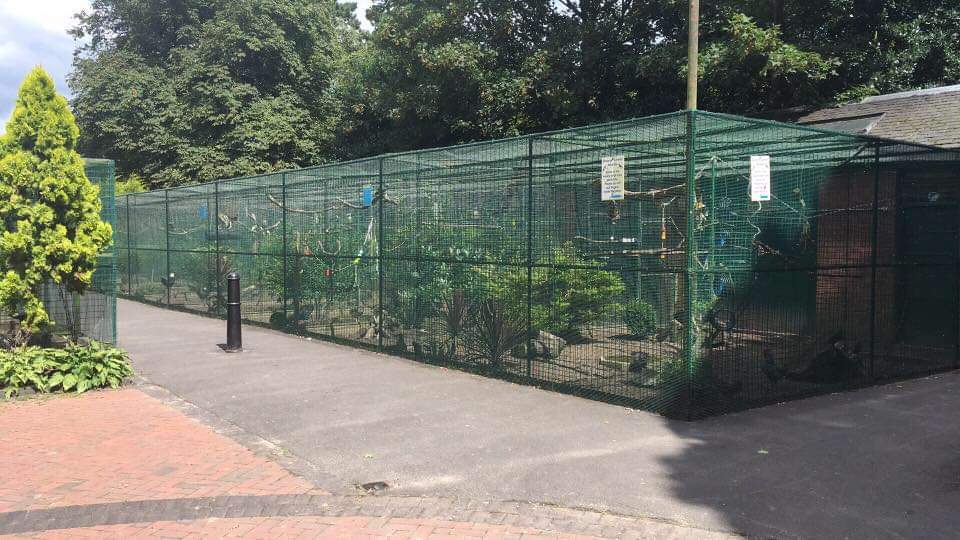
What concerns me most is that this is not something that can simply be recreated once it has gone. The Botanic Gardens themselves are among the oldest municipal botanic gardens in the country, and the Aviary has been part of their story for generations. It is not merely a structure containing birds. It is a living part of Southport’s heritage. The birds have made it their refuge and have become accustomed to daily interaction with generations of visitors. Connor has become part of that story too. The remarkable relationships between the birds, their keeper and the public have evolved over many years. They cannot simply be rebuilt at a later date if the Council changes its mind. Once lost, they are lost forever.
Sadly, Southport has already lost many cherished facilities and attractions over the years. Every loss chips away at the town’s identity and civic life. The Aviary is not merely a local resource for Churchtown; people travel from across Southport and beyond to visit it. It is a source of civic pride, a place of delight, a little sanctuary of care, kindness and community. It is also one of those increasingly rare places where people encounter other living creatures not as spectacles or possessions, but as fellow beings, each with their own personality and perch in the life of our town. Even on days when I do not visit, simply knowing it is there raises my spirits. That may sound like a small thing, but in difficult times it is not a small thing at all.
This town has endured difficult years. Families are anxious about the cost of living and troubled by events in the wider world. Southport is also still living with the profound sadness and shock caused by last summer’s terrible murders. At a time when people need places that bring comfort, hope and togetherness, it seems especially tragic to remove one that has quietly done exactly that for decades.
I also think about the children, who cannot necessarily speak for themselves in public consultations. Many will wonder what has happened to their friend Charlie and the other birds who greeted them with “Hello!” or “What yer doin’?” and made them laugh with their antics and uncanny ability to imitate the sound of a cat, a mobile ringtone and so many other familiar noises. These are the memories that stay with us for a lifetime.
Finally, I hope equal thought is being given to the birds themselves. Many of them have already experienced major changes in their lives before finding refuge at the Aviary. This is their familiar environment now, with trusted routines, familiar people and established social groups. Their welfare deserves to be at the heart of any decision about their future.
I therefore urge every possible alternative to closure to be explored. Whether through fundraising, partnership working, sponsorship or some other solution, I hope a way can be found to preserve this much-loved local resource. Choosing to preserve the Aviary would not be seen as a sign of weakness or retreat, but as an act of wisdom and leadership. It would be living proof that the Council is willing to listen to its residents and protect the places that matter most to them.
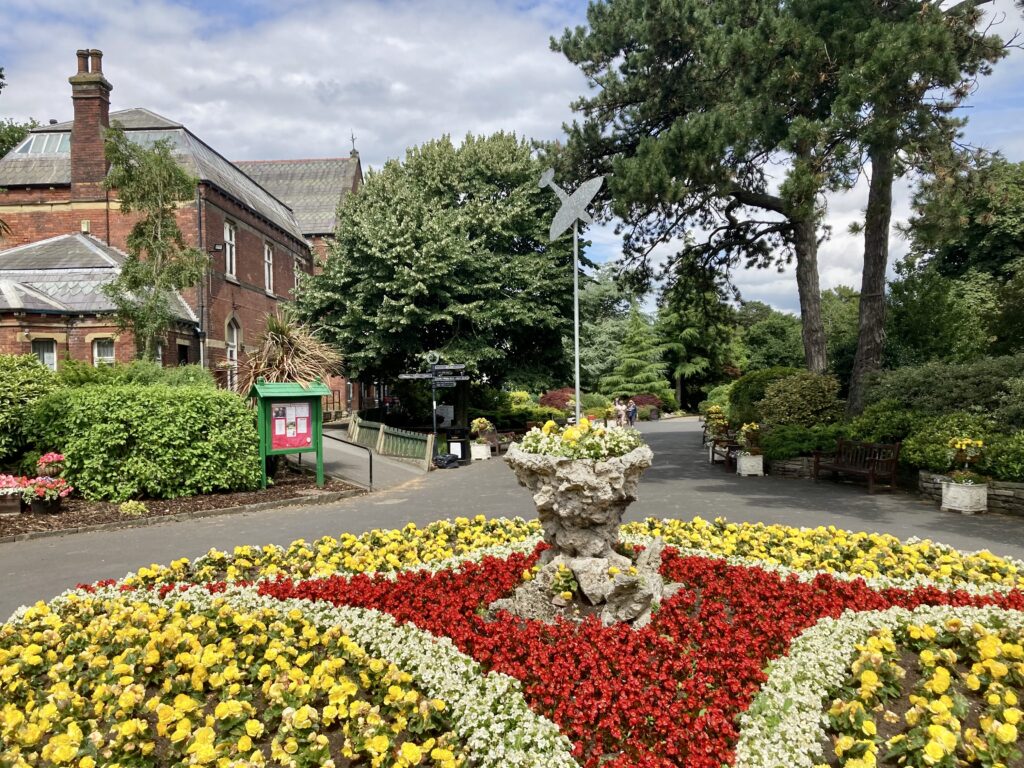
Reversing this decision would not simply save an Aviary; it would demonstrate that Sefton Council recognises the importance of protecting places that enrich people’s lives, strengthen communities, nurture compassion and inspire future generations. Some places are truly invaluable, not because of the money they generate, but because of the happiness, hope and sense of belonging they give to the people they serve.
For over fifty years, the Botanic Gardens Aviary has brought wonder, education, companionship and joy to countless adults and children experiencing it together. I sincerely hope future generations will still be able to discover this enchanting place, as so many generations have before them. Closure of the Aviary would diminish not only the Botanic Gardens, but the spirit of Southport itself. In preserving the Aviary, we would be preserving not only our municipal heritage, but our capacity to find wonder in the natural world, each other and ourselves.
- For more posts by Sandra Lynne-Jones please visit: https://www.facebook.com/sandwarbler/
Do you have a story for Stand Up For Southport? Do you need advertising, PR or media support? Please message Andrew Brown or email: [email protected]